Political surprises draw the attention of traders to news trading
From the textbooks on fundamental analysis, we know that the exchange rate is influenced by various groups of factors: economic, environmental, and political. And while the lion's share of the pages is devoted to theformer, as a rule, the authors are too lazy to write about politics. But in terms of the impact on the quotes of currency pairs it is hard to overestimate. Elections, referendums, crises, escalations and de-escalations of conflicts cause investors to look with caution at assets, often lead to a massive flight of capital and make the currency rates feverish.
The dates of important political events are known in advance, as well as the time of meetings of central banks or the release of important macroeconomic indicators. In this regard, the principle "Buy on rumors, sell on facts" is working. In contrast to the forecasts of experts on interest rates, GDP, inflation, etc., in the case of politics, the role of rumors is played by sociological surveys. Prior to parliamentary or presidential elections, various organizations conduct surveys, and exchange rates show increased sensitivity to the results. Typically, the markets are calm if, according to the polls, the party in power is in the lead. The uncertainty of the opposition's victory leads to an outflow of capital, an increase in the cost of borrowing, and potentially can slow GDP.
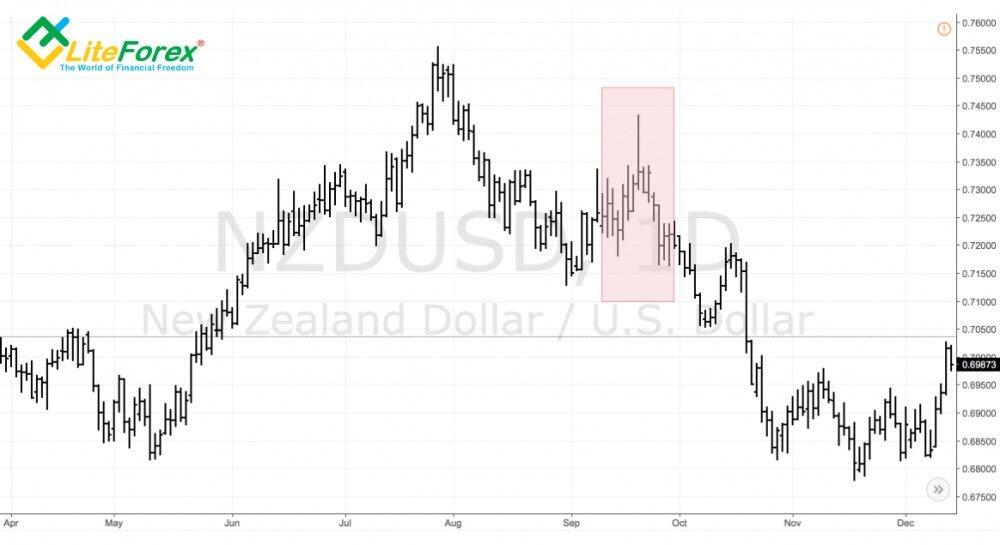
This was the case with the parliamentary elections in New Zealand in the autumn of 2017. On the eve of the voting, the markets almost believed in the victory of the national party in power. It actually received the majority of votes (44.5%), but could not agree on the coalition. As a result, the government was formed by the labor party (36.9%) for the first time in 9 years, and capital flight from the country became one of the key factors of the NZD / USD collapse by 8.7% within two months.
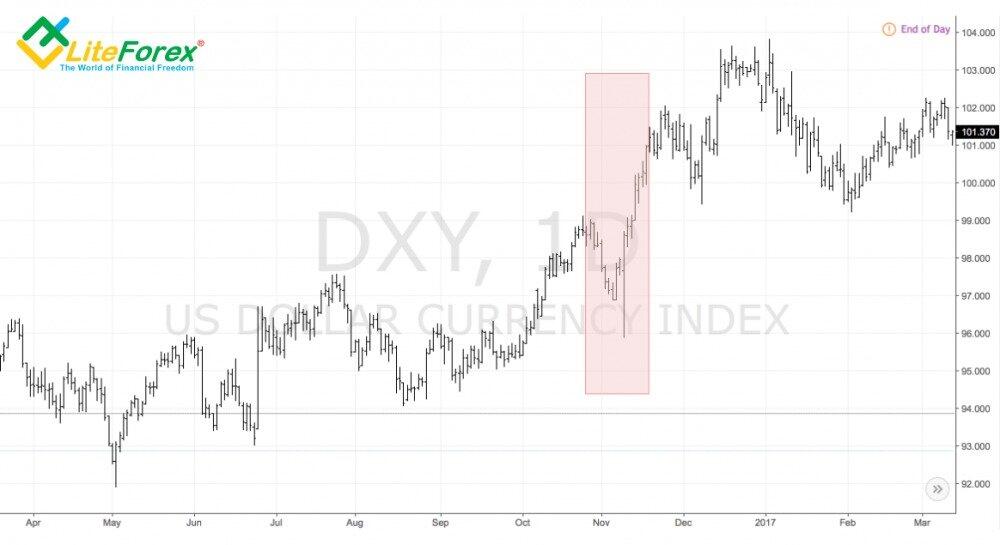
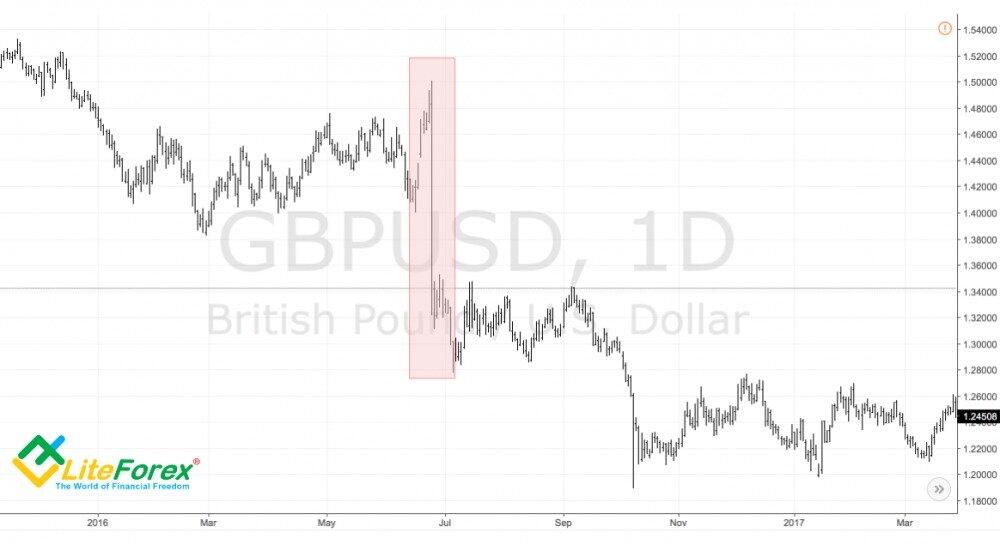
The referendums aren't much different from the parliamentary or presidential elections. Often, the destinies of entire peoples and economies are at stake. As, for example, in the case of Brexit. The vote on Britain's membership in the EU was held in the summer of 2016 and shocked the entire investment community. The exit from the European Union resulted for the Foggy Albion in a serious slowdown in GDP, an inflation rate of up to 3% and the pound drop to the lowest levels in more than four decades.
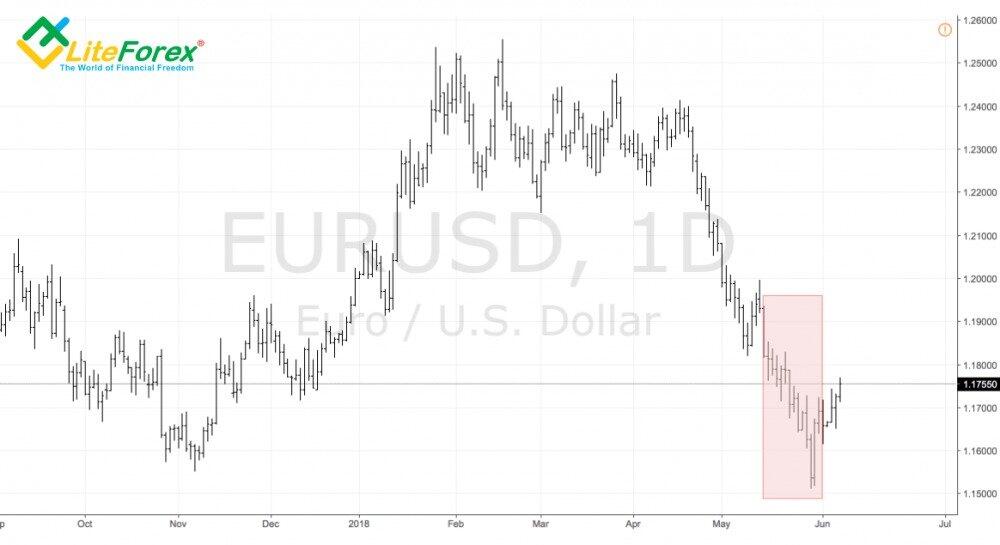
What happened in Italy in the spring of 2018 actually has a lot in common with the events of almost two years ago. Eurosceptics coming to power increased the risks of the republic's exit from the eurozone, which would be comparable to Brexit, and, perhaps, would surpass it in terms of economic effects. As a result, the euro collapsed to 10-month lows against the US dollar, and it's good that the situation was resolved.
P.S. Did you like my article? Share it in social networks: it will be the best "thank you" :)
Useful links:
- I recommend trying to trade with a reliable broker here. The system allows you to trade by yourself or copy successful traders from all across the globe.
- Use my promo code BLOG to get a 50% deposit bonus on the LiteFinance platform. Simply enter this code in the appropriate field when funding your trading account.
- Telegram chat for traders: https://t.me/litefinancebrokerchat. We are sharing the signals and trading experience.
- Telegram channel with high-quality analytics, Forex reviews, training articles, and other useful things for traders https://t.me/litefinance
Price chart of NZDUSD in real time mode

The content of this article reflects the author’s opinion and does not necessarily reflect the official position of LiteFinance broker. The material published on this page is provided for informational purposes only and should not be considered as the provision of investment advice for the purposes of Directive 2014/65/EU.
According to copyright law, this article is considered intellectual property, which includes a prohibition on copying and distributing it without consent.