The wealthiest person in the United States is Elon Musk, who leads by a wide margin, largely due to the success of SpaceX, which remains privately held. However, this position has shifted over time. At various points, Bill Gates, Warren Buffett, and Jeff Bezos have held the top spot.
The wealth of America's richest individuals is primarily driven by long-term asset appreciation and strong business performance. For investors, these trends are often seen as signals for capital allocation strategies that align with those of successful billionaires. Explore the top 10 richest people in the US and their investment approaches in this overview.
The article covers the following subjects:
Major Takeaways
As of April 2026, there are approximately 980 billionaires in the United States, though some estimates place the figure closer to 900. By this measure, the United States ranks first globally, although it occasionally alternates with China for the top position.
The richest person in America is Elon Musk. He first reached the top spot in 2021 and later alternated with Jeff Bezos and Bernard Arnault in the rankings. However, since mid-2024, Musk has once again led the list of the world's wealthiest individuals by a significant margin.
Billionaires most often invest in the financial sector. However, among America's top 10 billionaires, most are investors in the technology sector, driven by high demand for cloud and AI technologies.
The richest individuals in American history, when measured by their share of US GDP at the time, include John D. Rockefeller, Andrew Carnegie, and Cornelius Vanderbilt.
Who Is the Richest Man in America Right Now?
For many years, it was difficult to determine who the richest person in the US was because the gap between the contenders was relatively narrow. In 2026, Elon Musk significantly outpaced his rivals. According to estimates by Forbes and the Bloomberg Billionaires Index, Musk's net worth was approximately $800–$820 billion at the end of April 2026, while Larry Page, in second place, had about $250 billion.
Elon Musk first topped the list of the richest people in the USA and the world in 2021, overtaking Jeff Bezos. However, he failed to stay at the top at that time:
In 2022, Elon Musk, with a fortune of about $220 billion, retained his first place. During the year, however, Musk and Bezos swapped places several times.
In 2023, Bernard Arnault (LVMH) topped the list of the richest Americans. A more than 50% drop in Tesla's stock price and the controversial purchase of Twitter shook Musk's position.
In 2024, Musk, Bezos, and Arnault periodically took first place due to the high volatility of tech company stocks.
In 2025–2026, Musk held an undisputed lead.
In 2025, Musk's net worth was estimated at $350–$400 billion. The sharp increase in capital in 2026 was driven by the rise in Tesla's stock price and the increased valuation of SpaceX, which was preparing for an IPO in mid-2026.
Top 10 Richest People in America 2026: List of Billionaires in US
Until 2008, Bill Gates topped the list of the richest people in both the United States and the world for 13 consecutive years. In 2008, he briefly ceded the top position to Warren Buffett and now ranks around 20th among the world's wealthiest individuals.
From 2010, for four consecutive years, the world's richest person was, for the first time in 16 years, someone outside the United States—Carlos Slim. Bill Gates later returned to the top of the rankings for another four-year period before being overtaken by Jeff Bezos in 2016. In 2021, Elon Musk became the world's richest person for the first time.
The 10 wealthiest Americans:
Name | Net worth, $ billion | Sector | Asset | Age | |
1 | Elon Musk | 817 | Technology, Aerospace, Automotive | SpaceX, Tesla | 54 |
2 | Larry Page | 257 | Technology, Biotech | Alphabet (Google) | 53 |
3 | Sergey Brin | 237 | Technology, AI | Alphabet (Google) | 52 |
4 | Jeff Bezos | 225 | Technology, Aerospace | Amazon, Blue Origin | 62 |
5 | Mark Zuckerberg | 222 | Technology, Social Media | Meta Platforms | 41 |
6 | Larry Ellison | 190 | Technology, Software | Oracle | 81 |
7 | Jensen Huang | 155 | Semiconductors, AI | Nvidia | 64 |
8 | Warren Buffett | 150 | Financials | Berkshire Hathaway | 95 |
9 | Rob Walton | 149 | Retail | Walmart | 81 |
10 | Michael Dell | 141 | Technology | Dell Technologies | 61 |
The data is based on Forbes and Bloomberg rankings as of March–April 2026. Analytical agencies use different methodologies to estimate the wealth of American billionaires, so exact figures are not available. The value of key assets fluctuates continuously, and the ranking is for reference only.
Elon Musk
Age: 54
Net worth: $817 billion
Sector: Technology, Aerospace, Automotive
Main assets: SpaceX, Tesla
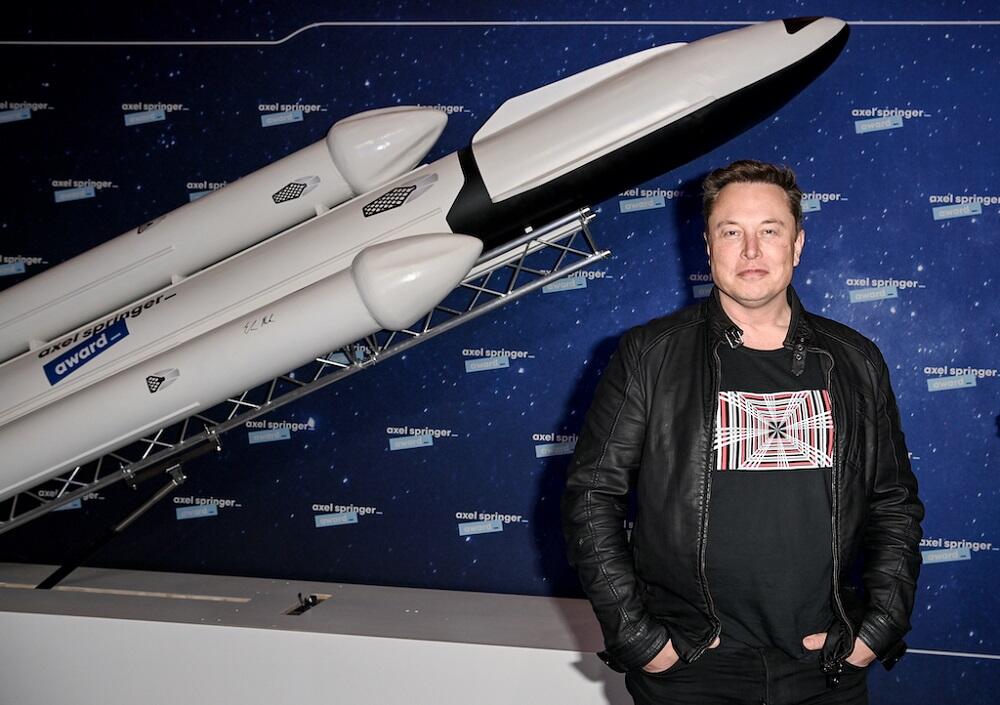
Elon Musk is the undisputed leader of the rankings in recent years. He succeeded in integrating his AI startup xAI, the developer of the AI-powered assistant Grok, into the X platform (formerly Twitter), after which the company was acquired by the aerospace corporation SpaceX. The latter now accounts for the bulk of Musk's capital; the company has become a near-monopoly in the space launch services market and is actively rolling out its second-generation Starlink global network. SpaceX is scheduled to go public in July 2026, and the company's preliminary valuation has already exceeded $1.25 trillion.
Larry Page
Age: 53
Net Worth: $257 billion
Sector: Technology, Biotech
Main asset: Alphabet (Google)
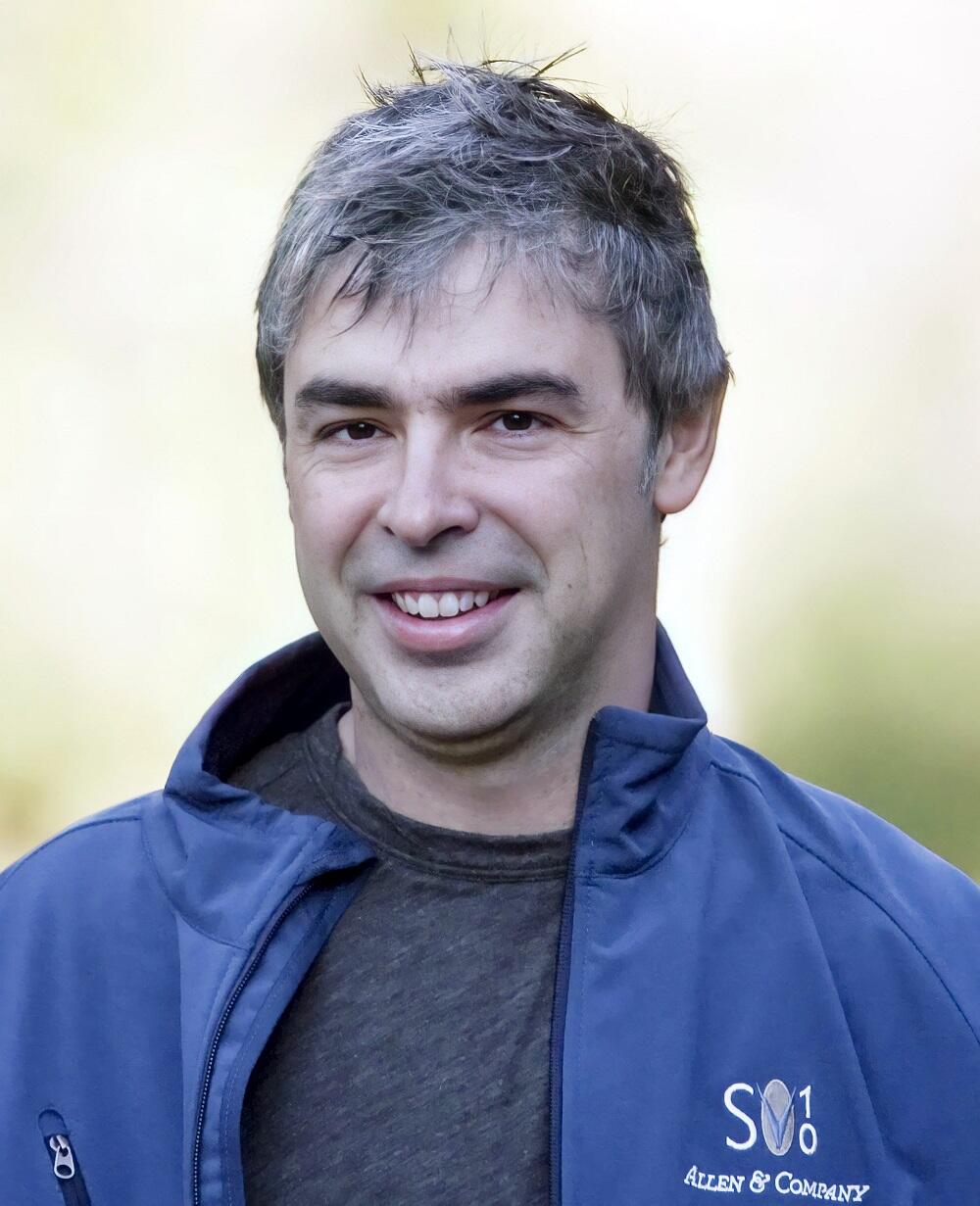
Larry Page is the co-founder of Google. Despite formally stepping down from executive roles, he retains voting rights through special-class shares. He is focused on long-term "projects of the future": Waymo's autonomous driving vehicles and Calico's biotechnology research.
Calico Labs is a research company dedicated to studying aging and extending human life. The successful growth of Alphabet, which maintains its leadership in the digital advertising and AI markets, helps him remain among the world's richest people.
Sergey Brin
Age: 52
Net worth: $237 billion
Sectors: Technology, AI
Main asset: Alphabet (Google)
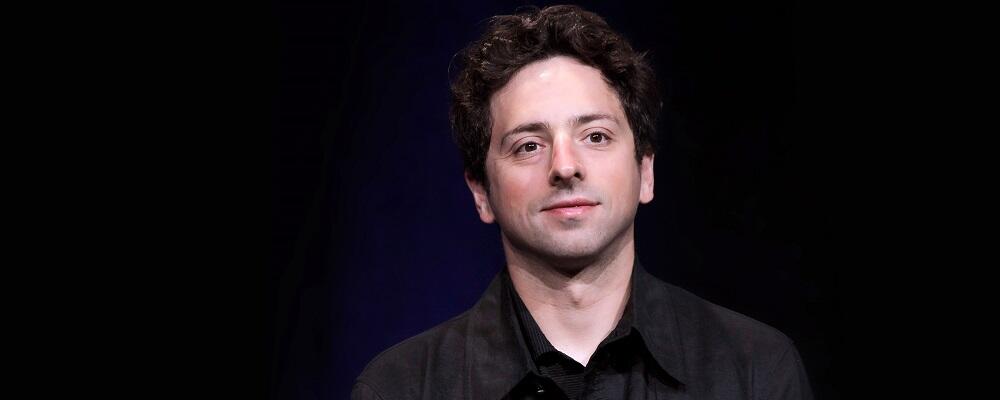
Sergey Brin, like his business partner Larry Page, remains one of the company's largest individual shareholders. In recent years, he has become more actively involved with Google's engineering teams and has supported the development of advanced language models within the Gemini family. Brin also funds large-scale research initiatives focused on aging and Parkinson's disease.
Jeff Bezos
Age: 62
Net worth: $225 billion
Sectors: Technology, E-commerce, Aerospace
Main assets: Amazon, Blue Origin
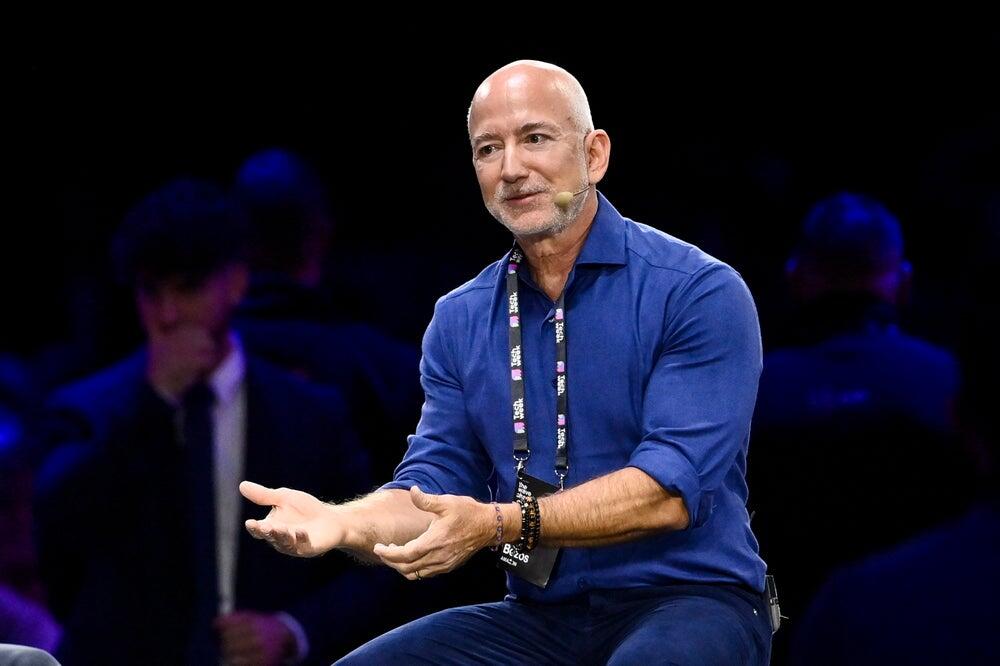
Jeff Bezos is the founder of Amazon, whose key profit driver is its cloud computing division, AWS. After stepping down as CEO in 2021, he shifted his focus toward his aerospace company Blue Origin, which competes with SpaceX in the commercial space sector. He also owns The Washington Post. His venture capital fund, Bezos Expeditions, invests in a range of startups and initiatives, including companies such as Airbnb and Uber, as well as sectors like climate technology (via Breakthrough Energy Ventures), biotechnology (e.g., Altos Labs), and artificial intelligence.
Mark Zuckerberg
Age: 41
Net worth: $222 billion
Sectors: Technology, Social Media
Main assets: Meta Platforms (Facebook, Instagram, WhatsApp), Reality Labs
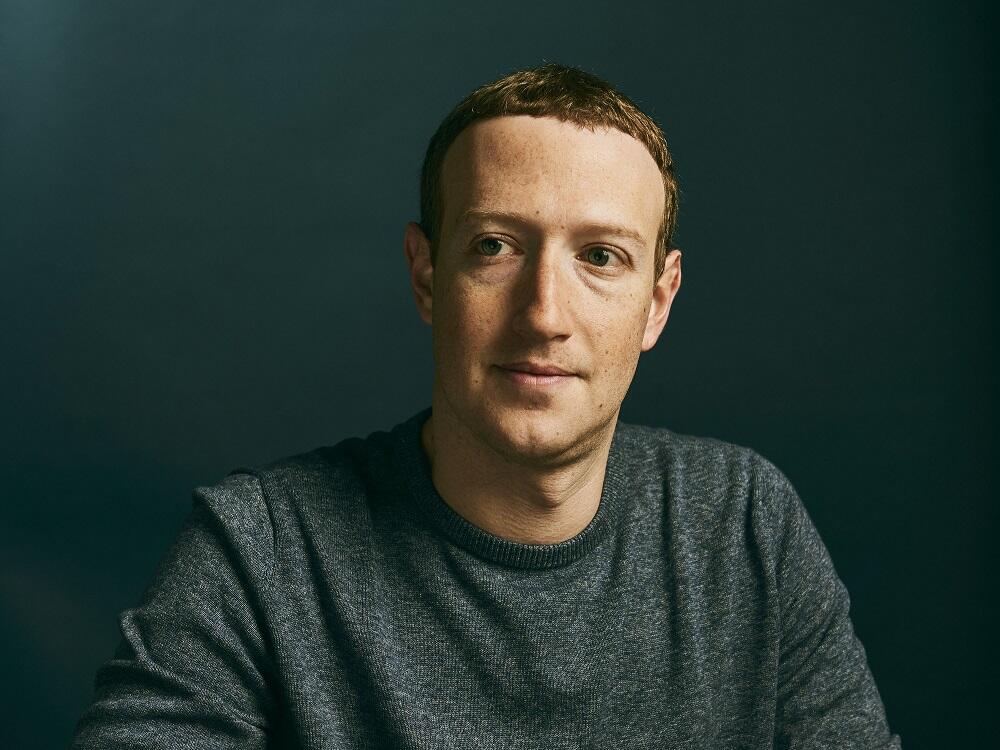
Mark Zuckerberg has managed to ease investor skepticism, demonstrating that his focus on the metaverse has not undermined the core business's profitability. Strong capital inflows have supported the development of Meta Quest VR headsets and the integration of AI-powered assistants across platforms such as WhatsApp and Instagram.
Zuckerberg also oversees the Llama initiative—a family of large language models designed for tasks such as text generation, coding, and natural language processing. The company's increased focus on AI has contributed to strong performance in Meta Platforms (META), helping him return to the ranks of the five wealthiest individuals in the US.
Larry Ellison
Age: 81
Net worth: $190 billion
Sectors: Technology, Software
Main asset: Oracle
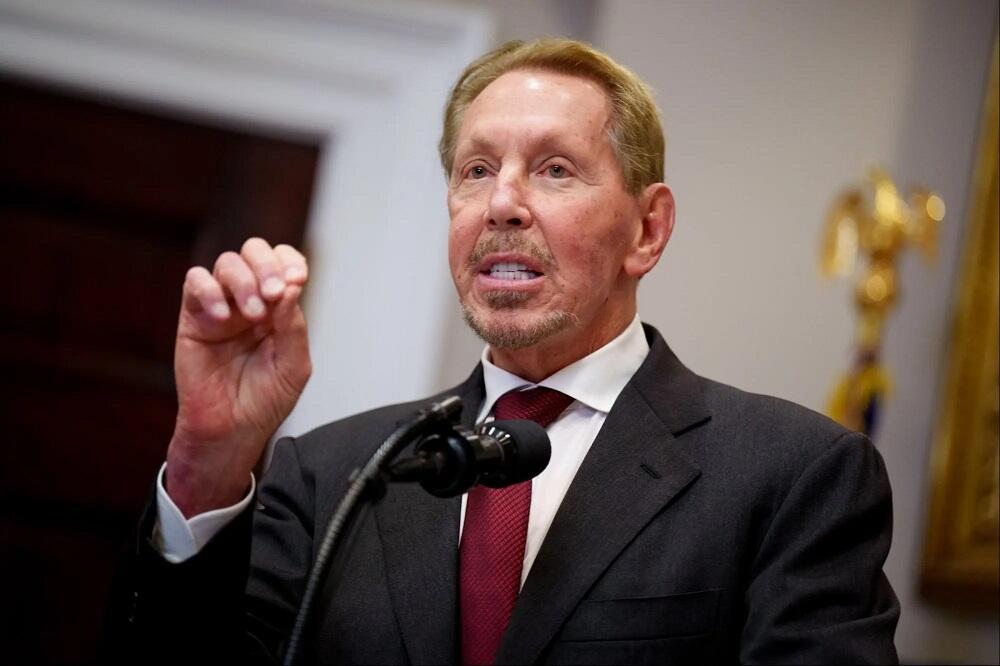
Larry Ellison transformed Oracle Corporation from a traditional database provider into a major competitor in the cloud infrastructure market. In recent years, Oracle has expanded its cloud services through partnerships with major technology firms, contributing to increased demand for its infrastructure for AI and enterprise workloads, which supported strong stock performance in 2025.
Ellison also owns a significant portion of the Hawaiian island of Lanai and previously held a substantial stake in Tesla, an electric vehicle company, where he served on the board of directors for several years. In addition, he supports various medical and scientific initiatives, including research related to aging and longevity.
Jensen Huang
Age: 64
Net worth: $155 billion
Sectors: Semiconductors, AI
Main asset: Nvidia
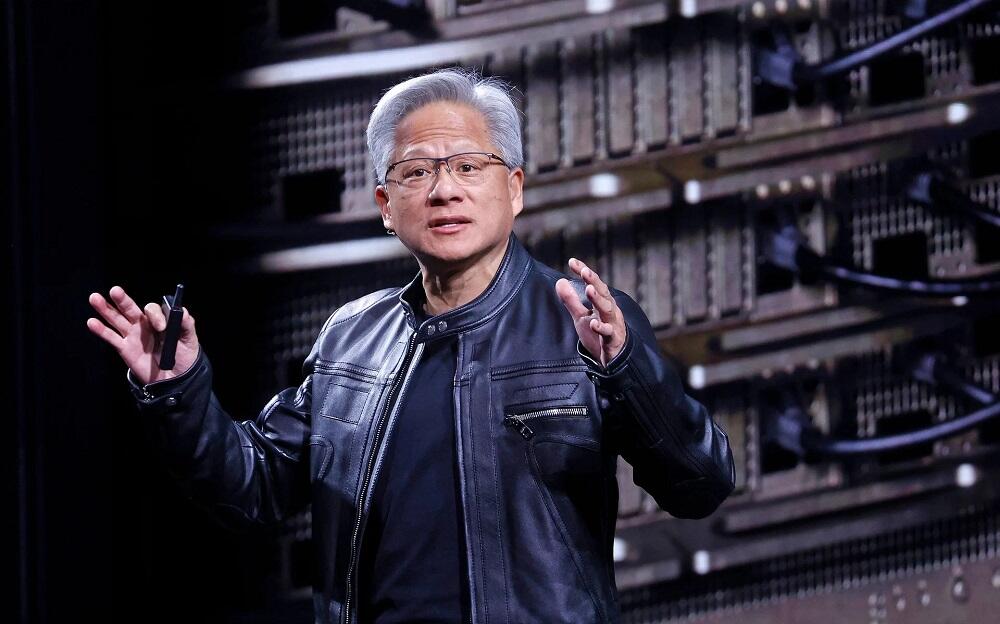
Jensen Huang is the co-founder and CEO of Nvidia, which has become one of the most valuable companies in the world. He is widely regarded as one of the leading figures of the AI boom. Nvidia's chips form the backbone of modern high-performance computing and are widely used for training and running AI systems. Over the past few years, the company's market capitalization has surged past many major technology firms, significantly increasing Huang's influence in the industry. He continues to hold a meaningful equity stake in Nvidia, whose value has grown alongside global demand for AI computing infrastructure.
Warren Buffett
Age: 95
Net worth: $150 billion
Sector: Financials
Main asset: Berkshire Hathaway
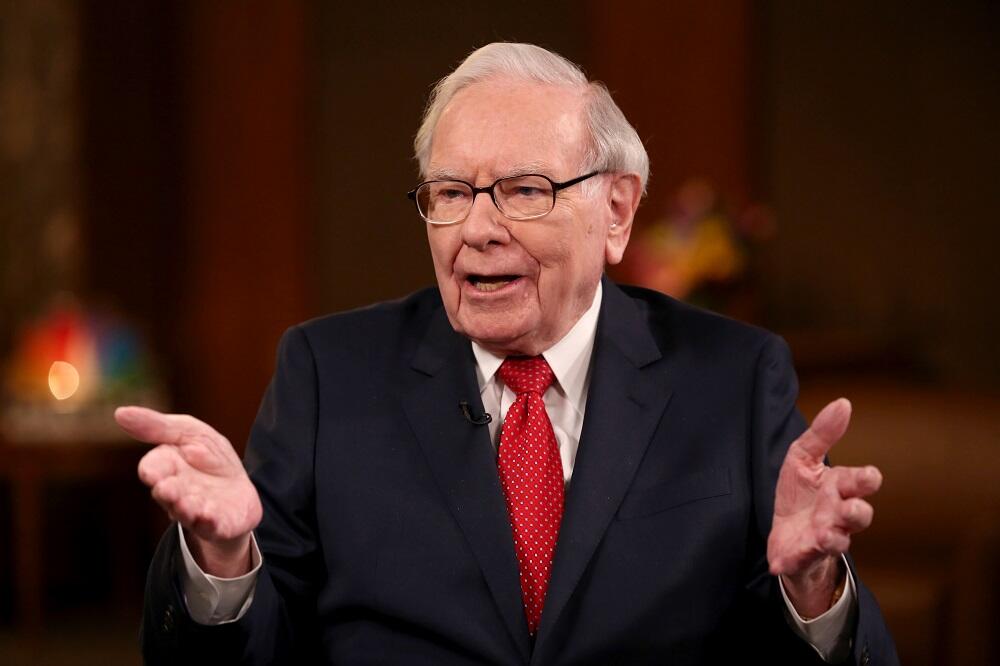
Warren Buffett, also known as the "Oracle of Omaha," remains committed to a value-investing strategy, focusing on undervalued companies with simple, understandable business models. His holding company, Berkshire Hathaway, typically avoids high-risk technologies, although it has made notable exceptions, such as its investment in Apple Inc.
A significant portion of Berkshire's portfolio has been concentrated in Apple in recent years, alongside major investments in energy, insurance, and rail transportation. Buffett is also known for his modest lifestyle and has pledged to donate more than 99% of his wealth to charitable causes.
Rob Walton
Age: 81
Net worth: $149 billion
Sector: Retail
Main asset: Walmart
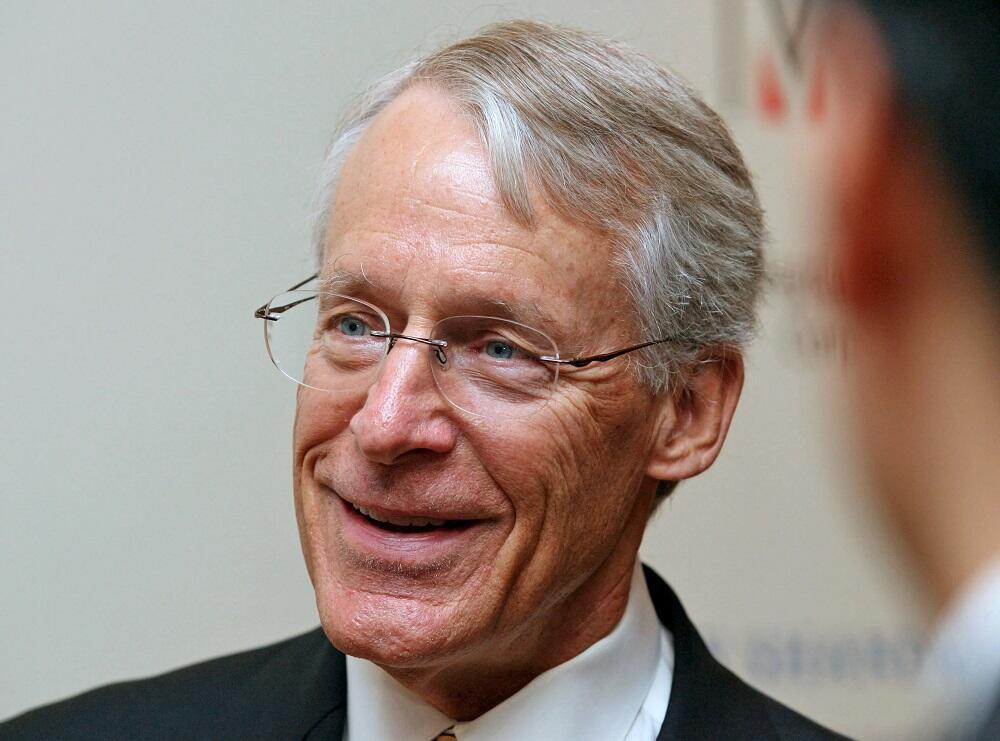
Rob Walton is the eldest son of Walmart founder Sam Walton. His wealth stems from his stake in the world's largest retailer, which competes with Amazon in online delivery and sales automation.
Michael Dell
Age: 61
Net worth: $141 billion
Sector: Technology
Main asset: Dell Technologies
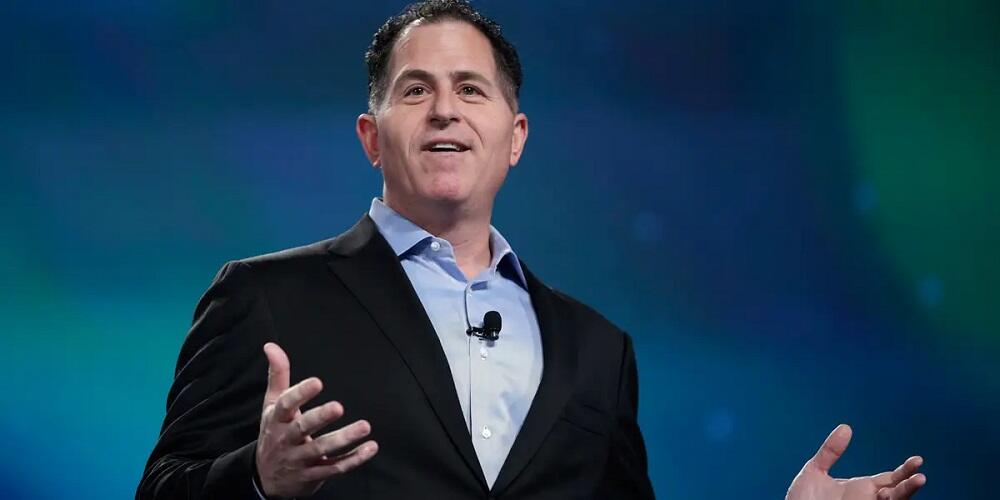
Michael Dell is the founder of Dell Technologies, which develops server hardware for data centers and produces PCs, laptops, peripherals, and software solutions. Today, the company is a key supplier of infrastructure supporting AI-driven workloads. Most of Dell’s fortune is managed through the family investment firm MSD Capital, which focuses on a diversified portfolio, including real estate investments worldwide.
What Industries Produce the Richest Americans?
A large share of American billionaires are tied to the technology sector—cloud computing, artificial intelligence, semiconductors, software, and immersive technologies such as virtual and augmented reality. This reflects the global surge in demand for digital innovation, one of the fastest-growing areas for capital investment. The influx of investment into this segment drives up the value of blue-chip stocks and, consequently, increases billionaires' wealth.
However, according to Forbes, the technology sector ranks only second among all American billionaires.
Finance & Investments. The leading industry by number of billionaires (over 25% of the Forbes 400 list). This includes hedge funds, private equity, venture capital, banking, and insurance.
Real Estate. Billionaires view this segment as a safe-haven asset that will gradually appreciate in value.
Healthcare and Pharmaceuticals. Biotechnology is a venture capital segment, but one with significant growth potential.
Most American billionaires diversify their businesses by investing in several different industries.
Richest Americans in History
There is no single ranking because there is no uniform calculation model, and reliable data on the wealth of 20th-century billionaires are not always available. The challenge is further complicated by the fact that a billionaire's net worth is a constantly changing figure. A person might have been the richest at the peak of their career and lost more than half their fortune by old age.
There are two main approaches to estimating wealth across time. The first adjusts a billionaire's fortune for inflation, though this method is limited because the overall size of the economy was much smaller in the past. The second measures a billionaire's wealth as a share of GDP, offering a more meaningful comparison by showing the proportion of the US economy they effectively controlled at the time.
John D. Rockefeller (1839–1937). Net worth (in today's terms): $400 billion. The wealthiest man in American history and the first dollar billionaire in history. At the height of his career, he controlled 90% of all oil production and refining in the US. Later, his company was forcibly broken up by the US government into numerous entities, from which ExxonMobil and Chevron emerged. His fortune amounted to approximately 1.5–2% of total US GDP—a level no modern billionaire has yet reached.
Andrew Carnegie (1835–1919). Equivalent fortune: $310–350 billion. Another of the wealthiest people in American history. Owner of the Carnegie Steel Company, the king of the steel industry. He later sold the company to JPMorgan for $480 million, which at the time amounted to about 2% of US GDP.
Cornelius Vanderbilt (1794–1877) had an estimated net worth of $185–215 billion in today's dollars. He built his fortune in shipping and railroads, controlling key transportation routes in the United States during the 19th century.
Conclusion
Historically, the United States and China have been the leading countries in terms of wealth concentration. There are many factors at play:
These are among the world's strongest economies, effectively setting the pace for the global economic system.
The US stock market has the largest market capitalization—exceeding $72 trillion—making it the most liquid and influential financial market globally.
The dollar's status as the world's primary reserve currency supports the stability of capital held by American businesses and investors.
An investor's ranking among the wealthiest Americans is determined by the value of the stocks they own. The fortunes of billionaires depend on the financial performance and success of the companies they own. Therefore, the list of the top 10 US billionaires could change dramatically in the future.
Richest Person in USA FAQs
According to various sources, the number of billionaires in the United States as of 2026 stands at approximately 990. This is 85 more than the previous year. In this regard, the United States ranks first, well ahead of China.
John D. Rockefeller. At the beginning of the 20th century, his fortune amounted to about 2% of US GDP; in today's terms, that is roughly $350–$450 billion. As of early 2026, the richest person by net worth is Elon Musk, whose fortune exceeds $850 billion.
Alice Walton's net worth is estimated at $134–$149 billion. As an heir to Walmart, she holds about 10% of its shares, with another 45% owned jointly with the Walton family. She has never held an executive role, focusing instead on art, philanthropy, and cultural initiatives.
According to Forbes, Alex Karp became one of the richest individuals in 2026 with a fortune exceeding $18 billion. He is the co-founder and CEO of Palantir Technologies, surpassing David Steward, founder of World Wide Technology, whose net worth is about $13 billion.

The content of this article reflects the author’s opinion and does not necessarily reflect the official position of LiteFinance broker. The material published on this page is provided for informational purposes only and should not be considered as the provision of investment advice for the purposes of Directive 2014/65/EU.
According to copyright law, this article is considered intellectual property, which includes a prohibition on copying and distributing it without consent.