Imagine a giant wave that builds momentum over the years and rolls on for decades. That is roughly what a commodity supercycle looks like: a prolonged period of rising commodity prices, or simply a commodity bull market. During these extended periods, nearly everything gets more expensive, from oil and gold to copper, coal, uranium, and wheat. Investors who recognize the start of a supercycle early enough can protect their capital and build wealth over the long term.
Today, analysts increasingly point to the energy transition, rising defense spending, and the rapid expansion of artificial intelligence as drivers of a new commodity supercycle 2.0. BlackRock, the world's largest asset manager, has noted that the global economy is becoming more dependent on the availability of labor, energy, and commodities. That is why understanding how supercycles work and knowing when to enter the market has never been more relevant.
The article covers the following subjects:
Major Takeaways
- A supercycle is a period lasting 10–25 years during which commodity prices rise, fueled by a sustained imbalance between supply and demand.
- Over the past 120 years, the world has gone through four commodity supercycles, each triggered by a major economic shift, from the industrialization of the United States to the urbanization of China.
- According to several analysts, a new economic cycle began in 2026 and is powered by four key drivers: the energy transition, rising military spending, the artificial intelligence boom, and de-dollarization.
- Copper (XCUUSD), gold (XAUUSD), silver (XAGUSD), and rare earth elements are considered to benefit most from this cycle.
- Central banks are buying precious metals at a record pace as currencies weaken, with net gold purchases exceeding 1,000 metric tons annually in 2023 and 2024.
- Bringing a new mine into production takes 10 to 15 years, which means supply shortages will persist even as prices rise. The mining industry simply cannot scale up fast enough to meet demand.
- China's economic slowdown, technological advances, and monetary policy tightening may interrupt the commodity supercycle sooner than expected. Investors should take these risks into account.
What Is a Commodity Supercycle?
A commodity supercycle is neither a seasonal rally nor a speculative bubble. According to the classic commodity supercycle definition, it is a prolonged period of 10 to 25 years during which commodity prices trade persistently above their long-term trend. Typical commodity cycles last 3–5 years, whereas a supercycle operates on an entirely different scale.
When the global economy undergoes a structural shift, such as China's industrial expansion or the ongoing energy transition, demand for commodities outpaces supply. Producers cannot respond immediately since developing new deposits requires years of work and substantial capital. As new projects slowly come online, competition for available resources intensifies. The result is a prolonged supply deficit that keeps prices elevated for years, sometimes decades.
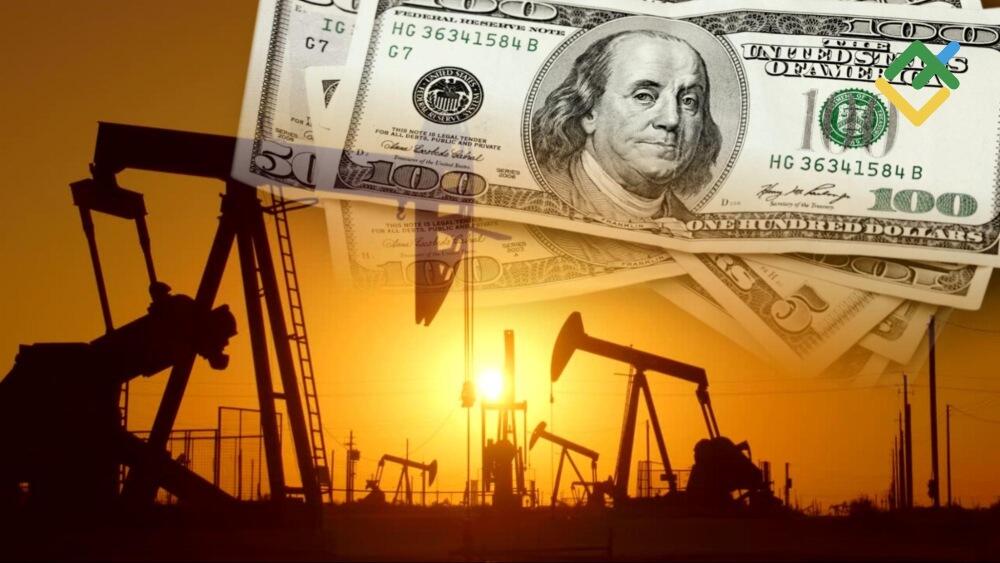
When a commodity cycle stretches to 10, 15, or even 25 years, it goes beyond market conditions and becomes a structural shift of a much larger order. Rising prices reshape global supply chains, alter the balance of power between exporting and importing nations, and accelerate some industries while undermining others. This is why traders and investors watch closely for early signs of a new supercycle.
However, even within a supercycle, corrections of 20%, 30%, or even 50% are common. Yet each subsequent low tends to be higher than the previous one, forming a pattern that resembles an upward staircase on a long-term chart. For investors, these pullbacks often represent an opportunity to open or add to positions across commodity-related segments of the financial markets.
The Four Historical Commodity Supercycles
Over the past 120 years, the economy has experienced four major commodity supercycles. Each of these was linked to large-scale changes that transformed the structure of global production.
1. The first commodity supercycle (1899–1932) was triggered by the industrialization of the US and Europe's recovery following World War I. The construction of railroads and factories, as well as the restoration of destroyed infrastructure, required enormous resources. The mining industry could not keep up with growing demand, so commodity prices remained high for several decades. Eventually, this cycle ended with the Great Depression, which led to a sharp drop in commodity prices.
2. The second commodity supercycle (1939–1961) coincided with World War II, a period of global rearmament, and the subsequent global economic recovery. War production drove heavy demand for oil, steel, and aluminum, while the postwar reconstruction of Europe under the Marshall Plan and Japan's rapid economic expansion kept that demand elevated. Global demand for commodities grew faster than supply, sustaining a long-term price rise and laying the groundwork for the modern commodities market.
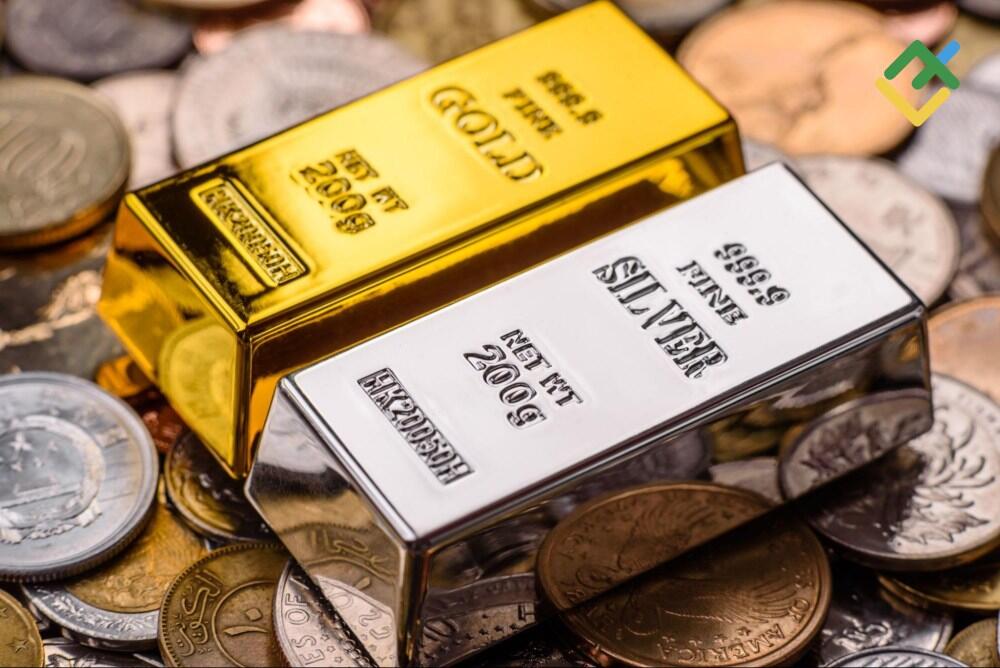
3. The third commodity supercycle (1971–1995) was shaped by the oil crises of the 1970s and the collapse of the gold standard. The OPEC oil embargo led to rising oil prices, while gold soared from $35 to $850 per ounce. High inflation was one of the key features of this period. However, in the early 1980s, US Federal Reserve Chairman Paul Volcker aggressively tightened monetary policy. Higher interest rates helped reduce inflation, weakening support for commodity markets. In the years that followed, prices for many commodities entered a phase of prolonged consolidation.
4.The fourth commodity supercycle (1998–2019) is widely known as the China commodity supercycle, driven by the country's rapid urbanization and industrialization, and explosive growth in manufacturing. Large-scale construction of cities, transportation networks, and industrial facilities pushed demand for iron ore, copper, oil, and coal to multi-year highs throughout the 2000s. The cycle eventually lost steam as the US shale revolution expanded energy supply and Chinese growth began to decelerate. The COVID-19 pandemic exacerbated the downturn, with excess supply and weakening demand compressing margins across much of the extractive sector.
Are We in a New Commodity Supercycle 2.0?
Following the four historical supercycles, a new era may already be underway. Many analysts believe the global economy has entered commodity supercycle 2.0, driven by forces that have no precedent in previous cycles.
While the previous supercycle was largely driven by China's industrialization, this one draws from several converging forces. The energy transition is driving demand for copper, lithium, and other critical metals. Rising defense spending is boosting demand for commodities used in military production. The development of artificial intelligence requires new data centers, which in turn pushes electricity demand higher. Meanwhile, central banks are steadily expanding their gold and other precious metals reserves.
Geopolitical risks and global supply chain disruptions are exerting additional pressure on commodity markets. As a result, the market is facing several forces simultaneously, setting the current situation apart from most previous commodity cycles.
Yet many experts point to chronic underinvestment as the defining factor. The prolonged period of low prices after 2011, combined with tightening ESG requirements, discouraged investment in new deposits and production capacity for years.
On average, bringing a copper deposit from discovery to commercial production takes around 16 years. S&P Global estimates the industry will need roughly $250 billion in investment by 2035. At the same time, a significant share of capital is currently flowing toward the technology sector, leaving energy and commodities infrastructure underfunded.
Proponents of the commodity supercycle theory believe the key question is no longer whether a supply shortage will occur, but rather how severe and long-lasting it will be. Even if some pressures ease, the combination of structural drivers is strong enough to sustain elevated commodity demand for years to come.
Notably, the $250 billion figure reflects years of accumulated underfunding rather than a standalone investment target. Projects of this scale cannot be delivered quickly, as developing new deposits requires time, capital, and complex infrastructure. As a result, the supply shortage may persist far longer than most market participants expect.
Key Drivers of the Current Commodity Super Cycle
The current commodity cycle is underpinned by four powerful drivers, each capable of sustaining the market on its own. Together, they form a combination that has no direct parallel in modern history.
Energy Transition
The energy transition is one of the most powerful drivers of commodity demand. A solar power plant requires significantly more copper per unit of capacity than a gas-fired plant, and an electric vehicle contains several times more copper than a conventional combustion engine car. According to the International Energy Agency, consumption of copper, lithium, and cobalt by the clean energy sector could increase severalfold by 2040.
The modernization of energy infrastructure, the expansion of power grids, and rising investment in power generation are creating additional demand. With new deposits taking years to launch, the market faces a growing risk of structural supply shortage. These conditions are laying the groundwork for a long-term rise in industrial metal prices and what many are calling a copper supercycle.
Militarization
Growing military spending is becoming another key factor buoying commodity markets. NATO countries, China, India, and Japan are increasing their defense budgets, fueling demand for industrial metals and rare earth elements.
Modern weapons incorporate large amounts of steel, copper, aluminum, titanium, and high-tech components. Unlike most other sources of demand, government defense programs are largely insensitive to price fluctuations, making this a particularly stable driver.
Artificial Intelligence and Data Centers
The growing adoption of artificial intelligence is creating a new source of demand for energy and raw materials. Running large models requires powerful data centers, which consume significant amounts of electricity and require large quantities of metals for the construction and operation of the infrastructure.
According to Goldman Sachs, data centers may account for up to 8% of US electricity consumption by 2030, making digital infrastructure an increasingly significant source of demand for energy and industrial metals.
Monetary Policy and Central Bank Actions
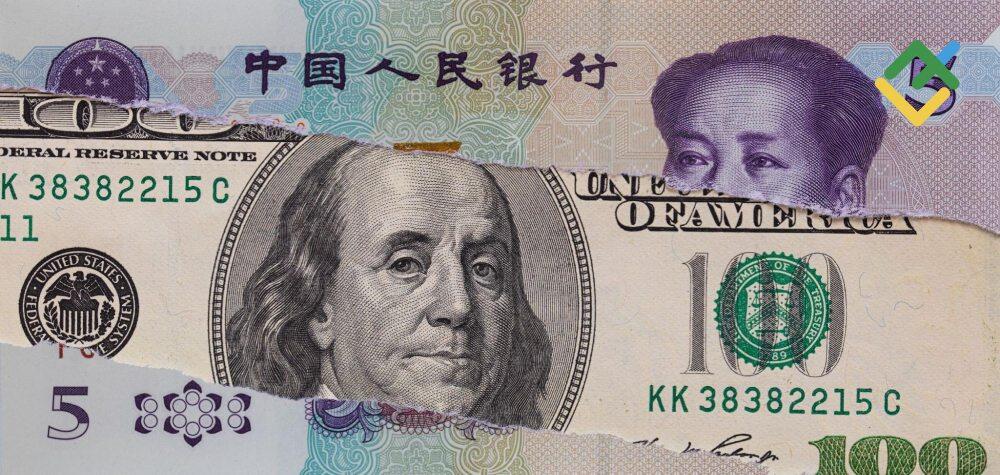
Central bank demand is adding another layer of support to commodity markets. Many countries are expanding their gold reserves to diversify their international assets, reinforcing the role of gold and silver as hedges against inflation, currency debasement, and geopolitical uncertainty.
At the same time, the use of national currencies in international trade continues to expand. This shift is increasing interest in real assets and helping sustain demand for precious metals.
Together, these factors create a strong foundation for long-term commodity demand. The energy transition is driving a greater need for copper and lithium, while rising military spending boosts demand for industrial metals. The growth of artificial intelligence calls for more energy and infrastructure, and central bank actions are increasing interest in precious metals.
The convergence of these independent drivers suggests that a new commodity supercycle may be emerging.
Commodities Most Likely to Benefit
Which commodities are likely to emerge as the biggest winners of the new supercycle? Among the leading contenders are copper, precious metals, rare earth elements, and energy resources:
Copper is widely regarded as one of the key beneficiaries of a potential commodity supercycle 2026. Strong investor interest, reflected in copper price movements, is being driven by expectations of rising demand from the energy transition, electric vehicle production, and power grid modernization. At the same time, many analysts expect the market to face a structural supply shortage in the coming years. As a result, talk of a potential copper supercycle is becoming increasingly common among investors and industry experts.
- Gold and silver have traditionally served as safe-haven assets, but their importance today extends far beyond that role. Gold continues to attract demand from both investors and central banks, with many countries increasing their holdings as part of broader reserve diversification efforts. Silver offers a unique combination of defensive appeal and industrial utility, with growing demand from sectors such as solar energy and electronics.
- Rare earth elements and lithium are closely tied to the growth of the green economy. They play a critical role in the production of batteries, electronics, electric vehicles, and renewable energy technologies. At the same time, supply remains heavily concentrated in a small number of countries, making these markets particularly vulnerable to supply chain disruptions and geopolitical tensions. As a result, even minor disruptions can have a significant impact on prices.
- Despite the energy transition, oil remains one of the key commodities in the global economy. Demand for hydrocarbons remains high, while launching new large-scale projects takes considerable investment and time. Against this backdrop, the oil market continues to be prone to heightened volatility.
A LiteFinance demo account is an effective way for novice traders to gain practical experience in the commodities market. It allows them to track live prices for XAUUSD, XCUUSD, UKBRENT, and other commodity instruments, as well as related markets such as food stocks. Traders can test their strategies in real market conditions without risking real funds. After building confidence and experience, they can move on to a live trading account.
Risks and Skeptical View on the Commodity Supercycle
Any savvy investor understands that high potential returns always come with greater risks. The commodity supercycle 2026 is no exception. Let's examine three key risks that may impact its development.
The first risk is tied to China, the world's largest consumer of many commodities. The country accounts for a substantial share of global demand for copper, iron ore, and coal. However, China's economy continues to face a range of challenges, including a prolonged property market downturn, demographic pressures, and ongoing trade tensions with the US.
If China's economic growth continues to decelerate, global demand for commodities may come under significant pressure. In that case, even a limited supply will not fully offset the decline in consumption.
The second risk is technological progress. History shows that new technologies can radically transform commodity markets. For example, the shale revolution has massively increased oil supply, while the development of new types of batteries has reduced certain industries' dependence on specific metals.
If cost-effective substitutes for copper or other critical commodities emerge, one of the key pillars supporting the current cycle could weaken. Therefore, advances in materials science and energy transmission technologies pose a key long-term risk.
The third risk is related to monetary policy and the world economy. Decelerating economic growth, a recession in major economies, or changes in central bank policy can lower demand for commodities and weigh on prices.
Precious metals, which are often used as safe-haven assets, remain particularly sensitive to such changes. Furthermore, even long-term positive trends do not rule out severe short-term market corrections.
Even if a new commodity super cycle unfolds, investors should adhere to risk management rules. Portfolio diversification, position sizing, and capital allocation across asset classes help mitigate the impact of adverse market events.
Conclusion
The energy transition, rising defense spending, the rapid growth of artificial intelligence, and the diversification of international reserves have created a unique set of conditions not seen in previous commodity supercycles. At the same time, the mining sector and aging energy infrastructure require substantial investment, while bringing new supply online remains a lengthy process. Meanwhile, demand for many commodities continues to grow, helping support elevated prices over the long term. For investors, this could create opportunities in industrial and precious metals, as well as mining stocks.
Investors who identify long-term trends early are often best positioned to benefit from them. However, no commodity cycle guarantees strong future returns, and periods of heightened volatility are inevitable. Success ultimately depends on maintaining discipline, staying diversified, and taking a long-term approach while remaining prepared for temporary setbacks. How to capitalize on these opportunities is a decision each investor must make based on their own goals and risk tolerance.
Commodity Supercycle FAQs
Technical analysis identifies four market phases: accumulation, uptrend, distribution, and downtrend. A commodity super cycle combines several such phases and is characterized by a long-term uptrend with higher highs and higher lows.
The most recent commodity supercycle spanned from the late 1990s to the late 2010s. It was primarily prompted by China's rapid industrialization and urbanization, which generated record demand for metals, oil, coal, and other resources.
Commodity supercycles typically last between 20 and 35 years. They consist of a prolonged phase of high prices, followed by periods of slowdown, correction, and consolidation before a new supercycle begins.
Many analysts believe that the commodity supercycle 2.0 is already taking shape. The energy transition, increased military spending, and the development of AI are fueling it. However, the pace of growth will depend on the economy and the central banks' monetary policies.
The content of this article reflects the author’s opinion and does not necessarily reflect the official position of LiteFinance broker. The material published on this page is provided for informational purposes only and should not be considered as the provision of investment advice for the purposes of Directive 2014/65/EU.
According to copyright law, this article is considered intellectual property, which includes a prohibition on copying and distributing it without consent.